The Hidden Risk of Disposable Vapes: Why the UK Must Treat Vape Waste as a Serious WEEE Challenge
Disposable vapes have become one of the fastest-growing consumer products in the UK. Their convenience, low cost, and widespread availability have driven rapid adoption across retail, public spaces, and institutional environments. However, behind this growth sits a largely misunderstood and under-managed waste problem — the treatment of vape devices as hazardous electronic waste under WEEE regulations.
Every disposable vape contains a lithium-ion battery, electronic circuitry, plastics, and metals. When incorrectly discarded into general waste, these components create significant fire risk, environmental contamination, and regulatory exposure for organisations. Lithium batteries are increasingly linked to waste fires in collection vehicles, transfer stations, and storage facilities. Even a single damaged battery can trigger ignition through crushing, heat, or short circuit.
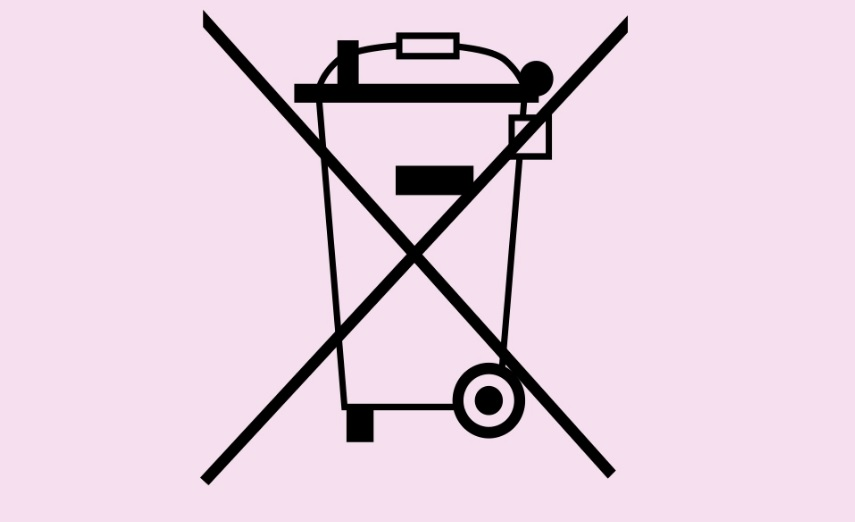
Despite this risk, many organisations still treat vape waste as normal litter or general refuse. This creates a silent compliance gap. Under UK law, vapes fall within the scope of Waste Electrical and Electronic Equipment (WEEE) regulations, meaning they must be collected, stored, transported, and processed through compliant channels with appropriate documentation and audit trail. Failure to do so exposes organisations to enforcement action, insurance complications, and reputational damage.
The issue is expected to intensify. Regulatory focus on lithium battery safety and electronic waste traceability is increasing, with stronger compliance expectations anticipated from 2026 onward. Public sector bodies, facilities managers, and commercial operators will increasingly be expected to demonstrate evidence of controlled handling, chain-of-custody, and accredited treatment for electronic waste streams — including vapes.
Beyond compliance, the environmental implications are significant. Millions of vapes are discarded every week in the UK, yet only a small proportion are recovered through proper treatment pathways. Valuable materials such as lithium, aluminium, copper, and plastics are lost to landfill or incineration, while battery failures continue to create avoidable safety incidents.
There is also a growing operational challenge in high-density environments such as prisons, hospitals, transport hubs, and large estates, where vape use is concentrated and storage risks multiply. These settings require structured systems, fire-safe containment, staff training, and auditable logistics — not ad-hoc disposal practices.
The future of vape waste management will be driven by three forces: regulatory enforcement, fire safety pressure from insurers and authorities, and environmental accountability. Organisations that act early to establish compliant recovery systems will reduce risk, protect people and assets, and demonstrate leadership in environmental governance.
Vape waste is no longer a minor nuisance issue. It is a regulated electronic waste stream that demands professional management. Those who treat it seriously now will be better positioned as the regulatory landscape tightens and public scrutiny increases.